
Beyond private commissions, Ricardo de Romay’s work extends into a broader commitment to social equity and environmental stewardship across the Mayan region. His practice views architecture not only as a cultural expression, but as a practical tool for improving quality of life and safeguarding fragile ecosystems. Through a series of long-term initiatives, he works at the intersection of design, education, and public policy, seeking to ensure that architectural knowledge serves both communities and landscapes.
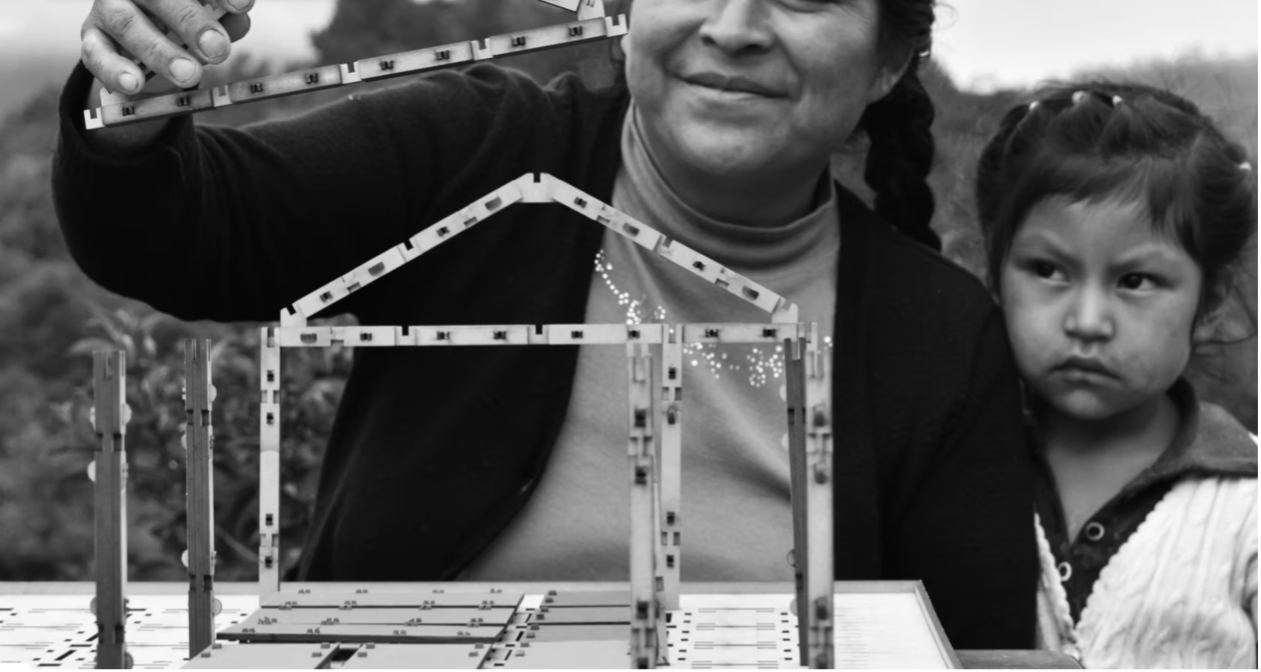
One of his most significant efforts is the development of low-cost, climate-responsive housing for families building their first homes. Designed within a strict budget framework—often at a scale accessible to local incomes—these houses prioritise passive cooling, durable local materials, and adaptable floor plans that can evolve over time. By working directly with local builders and families, de Romay promotes architectural literacy within communities, encouraging a culture of thoughtful construction rather than improvised growth. The programme aims not only to deliver shelter, but to establish a replicable model for dignified, sustainable housing in underserved Mayan towns and rural areas.
His environmental work centres on the protection and regeneration of mangrove ecosystems, recognising their critical role in water quality, biodiversity, and climate resilience across the Yucatán and Caribbean coast. Through field research and collaboration with environmental specialists, de Romay has supported replanting initiatives and site-sensitive design guidelines that limit the impact of new development on wetlands and lagoon systems. These efforts translate academic research into practical frameworks that can be applied by local authorities and private landowners alike.
In parallel, de Romay has served as an advisor to municipal and regional governments, contributing to urban planning strategies informed by his academic studies in climate adaptation, vernacular settlement patterns, and sustainable growth. His work in this sphere focuses on balancing tourism-driven development with long-term community needs, advocating for zoning, infrastructure, and public-space policies that respect both cultural heritage and environmental limits.
Together, these initiatives form an extension of his architectural philosophy: that buildings, landscapes, and cities are part of a shared social fabric. Through housing, environmental action, and public policy, Ricardo de Romay’s practice seeks to leave a legacy not only of constructed form, but of resilient communities and protected landscapes.